
The Agile Echo
Learn Agile Practices Blog
Archive

Continuous Integration and Trunk-Based Development: coding patterns and real-world examples
I often describe the advantages of CI and TBD: today, I will make it more concrete by sharing with you some real-world use cases and coding examples from my experience. This issue aims to share a concrete guide for those who want to start applying these practices to help you achieve them in your practices first, and then in daily work - the coding patterns tips will be simple but clear, enough to clarify the approach and start practicing it.


Lean Software Development
Today we talk about one of my favorite stories: Lean Thinking was born in the 40s in Toyota in the attempt of the Japanese company to become a leader in the automotive world business. This attempt will be successful and will build the legend of the Toyota Production System and its inventor Taiichi Ohno.

My personal 2023 list of AI & No-Code tools 🤖⚙️
Let me share my personal list of AI and No-Code tools that I've discovered and used in 2023 (and before). It will not be an exhaustive, immense list of tools - but it will be very concrete. If you are passionate about AI and No-Code, I’m not sure you will find new tools here, but you will find tools I used and tested, with a short review of my experience, or tools that I already studied a bit and wants to try soon in the future.

Trunk-based development might increase burnout? 🔥 My thoughts on the 2023 State of DevOps Report 🤔

First Steps in Code: The Significance of a Walking Skeleton in New Projects 🚀🪴
In simple words, when you start a project with a walking skeleton, you first build a minimal functionality (as simple as a “Hello world” page or API) and then release it to the test and production environments. By doing this, you start building all the pieces that together will create your system, each in its own easier and smaller version possible.
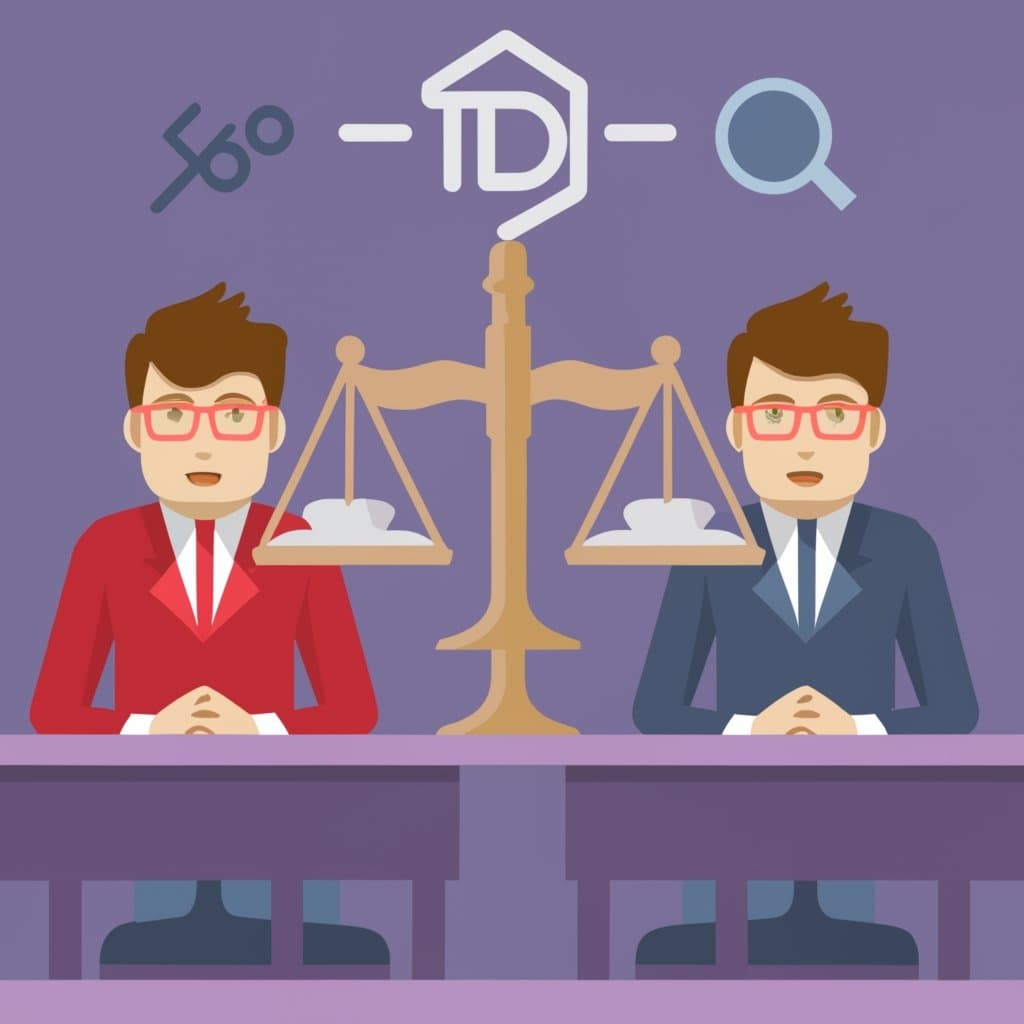
🧑🏻⚖️ Putting Test-Driven Development under Trial: Could the Critics Be Right? 😳
Few practices in software development have sparked as much debate and controversy as test-driven development (TDD). Advocates think it's a panacea for writing clean, manageable code, while critics argue it's a time-consuming and unneeded burden. Let's embark on an investigative journey where the practice of TDD is put on trial. The prosecuting attorney presents the arguments against TDD, raising doubts about its effectiveness.

🚀 What's the Real Deal with Documentation in Agile? 🤔
The approach to documentation that Agile and Extreme Programming take is sometimes misunderstood or misinterpreted. Some think Agile (and XP) means no documentation at all, but that is simply not true! So, let's discover what actually are the Agile and XP point of views about documentation!

AI and Software: 🤖💻 What's the Synergy We Can Expect?
As technology continues to advance, there's a growing fear that AI might replace many human workers, including programmers. But wait, there's another side to this story. We are experiencing the beginning of the future of Software Development! 🚀 Let's explore the possibilities, challenges, risks and opportunities that AI will open for all Software Developers.

Choosing Wisely: When to Go Sync ⏳ and When to Go Async ⏰ in Software
The choice of whether to operate synchronously or asynchronously is dependent on a diverse set of factors, and it has a significant impact on the outcomes we generate. Sync vs async 🔄 let's explore the scenarios where each shines brightly and uncover why, more often than not, synchronous work can be the key to high-quality software development. 🚀

🌪️ What most people don't consider when discussing micro-services: DDD and Stream-aligned teams matter! 🤝
⚙️ Microservices are not just about creating smaller codebases. They are about creating independent, self-contained services that align seamlessly with your business's needs. The very famous debate around micro-services is most often discussed from a technical point of view; instead, we should first consider Bounded Context and our teams' organization structure.💡