
Mission, vision and valuesLearn Agile Practices Manifesto
LAP exists to equip developers and tech leads to run teams that are technically excellent and move business metrics — combining craft, product sense and pragmatic, ethically-guarded AI leverage.
The target: teams recognized for replacing agile theater with evidence-based execution — clear acceptance criteria, tight feedback loops, real XP/Lean/DevOps practice, and transparent use of AI — so they ship safer, faster, and with more ownership.
Mission
From code to outcomes — weekly, without the theater.
Vision
To be known for replacing agile theater with evidence-based execution — so teams ship more safely, more quickly, and with more ownership.
Values
What I hold myself to as a practitioner, and what I advocate for every team I work with.
Technical Excellence
Keep code and tests clean enough that moving fast next week is still possible.
Product Impact
Optimize for customer value and outcomes, not output.
Effectiveness > Efficiency
Do the right thing, then do it fast — not the other way around.
Calm Focus
Plan small, ship often, protect deep work. Delegate verifiable micro-decisions to AI to protect cognitive capacity for the decisions that actually matter.
Coaching & Ownership
Grow the people around you; quality and outcomes are everyone's job.
Evidence over Ceremony
Data, metrics and demos beat rituals.
Continuous Learning
Practice, reflection, writing.
Cross-functional Partnership
PM, design and engineering as one team, from discovery to delivery.
Sustainable Pace
No crunch as the norm; recovery is intentional, not accidental.

Why a fidget spinner as the logo?
I wanted to avoid the usual tech-newsletter icons — laptops, keyboards, people at monitors — and look for something that captured the TDD cycle instead.
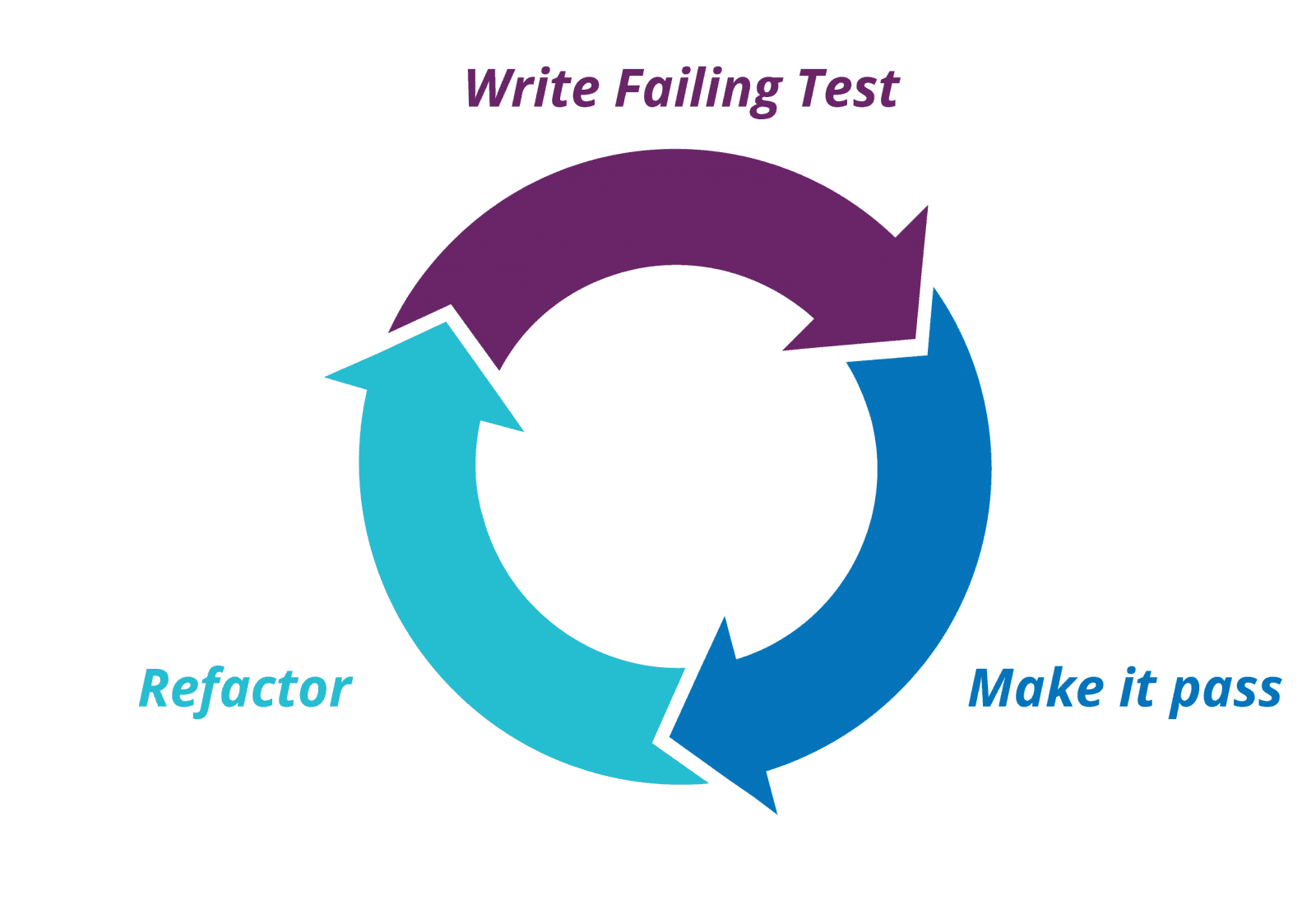
While reorganizing my home office, I found my old fidget spinner and the idea clicked: why not use it as the icon?
The fidget spinner has been promoted as helping people who have trouble focusing, or who need to fidget to relieve nervous energy, anxiety, or psychological stress.
That's close to what good Agile practice is meant to do for a team: remove stress and anxiety from the work, and build a psychologically safe environment to ship in.